Wednesday 25th June 2025
The Science Behind DPDR: What’s Really Happening in the Brain?
We know that Depersonalisation-Derealisation Disorder (DPDR) is often misunderstood and under-appreciated, but what does science actually say about it? In this post, I’ll walk you through what I’ve learned about the fascinating (and complex) processes going on in the brain and body when someone experiences intense dissociation.
The Brain is Complex, and So is DPDR
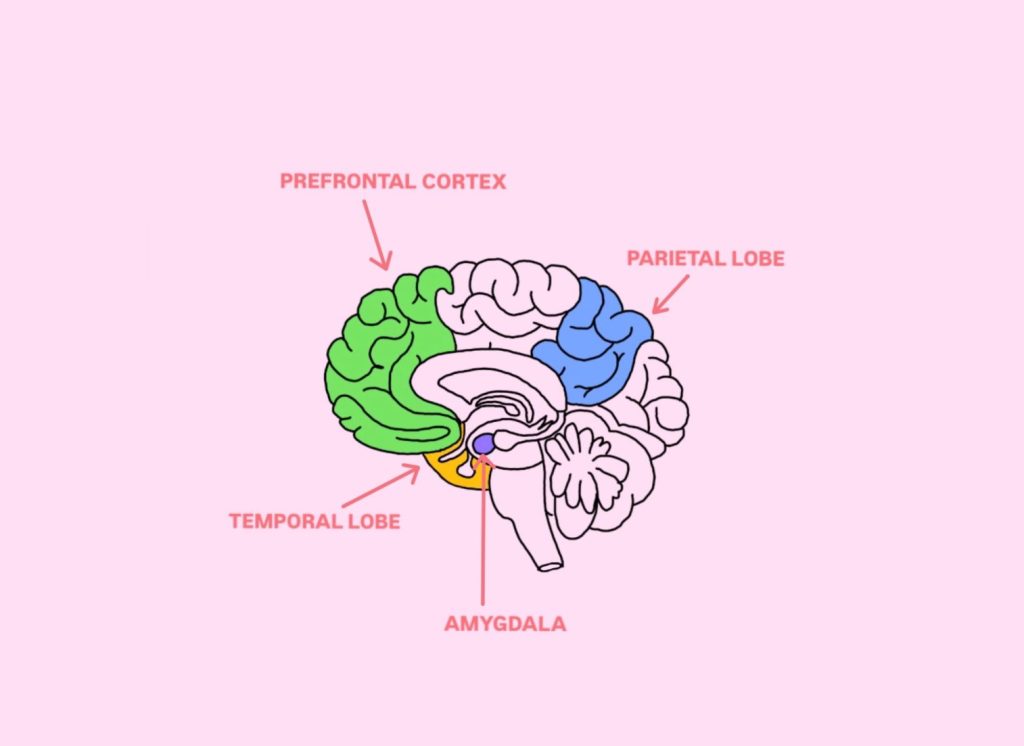
It’s no surprise that DPDR involves multiple brain systems, given how intricate our brains are. One of the key players is the prefrontal cortex, the part of the brain responsible for higher-level thinking, things like attention, impulse control, and emotional regulation. It helps us process both positive and negative emotions like joy, empathy, anger, jealousy, and sadness. When this area becomes over-activated, emotional processing can become inhibited. This might help explain why people with DPDR often feel emotionally numb or detached from their experiences.
The Amygdala: Your Brain’s Alarm System
Another important part of the brain is the amygdala, a tiny structure with a big job: detecting threats and triggering our “fight or flight” response. In people experiencing DPDR, the amygdala is often suppressed, meaning it becomes less responsive. This reduced activity dampens emotional reactivity, which is the brain’s way of coping with overwhelming stress, anxiety, or trauma. That’s why many people with DPDR can appear unusually calm in high-stress situations or report feeling disconnected from fear or danger. It’s not that they don’t care; their brain is simply trying to protect them.
The Default Mode Network (DMN) and the Sense of Self
The Default Mode Network (DMN) is a group of interconnected brain regions that becomes active when we’re not focused on the outside world, like during daydreaming or rest. It’s closely tied to our sense of self and internal awareness. In DPDR, research shows that the DMN has reduced functional connectivity, meaning the usual communication between these brain regions is disrupted. This can contribute to the difficulty many people with DPDR have in accessing self-related thoughts and feeling grounded in their identity.
Sensory Integration and Reality Perception
The parietal and temporal lobes also play key roles in how we experience ourselves in space and time. These areas integrate sensory information and help us feel that our bodies, and the world around us, are real. When these regions are affected by DPDR, it can lead to the surreal, dream-like sensations that many people describe, such as feeling like you’re outside your body or like the world isn’t quite real.
When Protection Becomes Persistent
Dissociation is a natural protective response to extreme stress. It’s the brain’s way of shielding us when things become too overwhelming. But when that response becomes chronic, the brain can get “stuck” in this dissociative state, leading to persistent DPDR. What was once a short-term survival mechanism turns into an ongoing challenge.
Understanding the science behind DPDR can be validating and empowering. It reminds us that what we’re experiencing is real, rooted in biology, and not “all in our heads.” With continued research and greater awareness, we can help reduce the stigma and deepen compassion for those living with dissociation.
So much love,
Kate x

 Mostly Kate