Saturday 29th November 2025
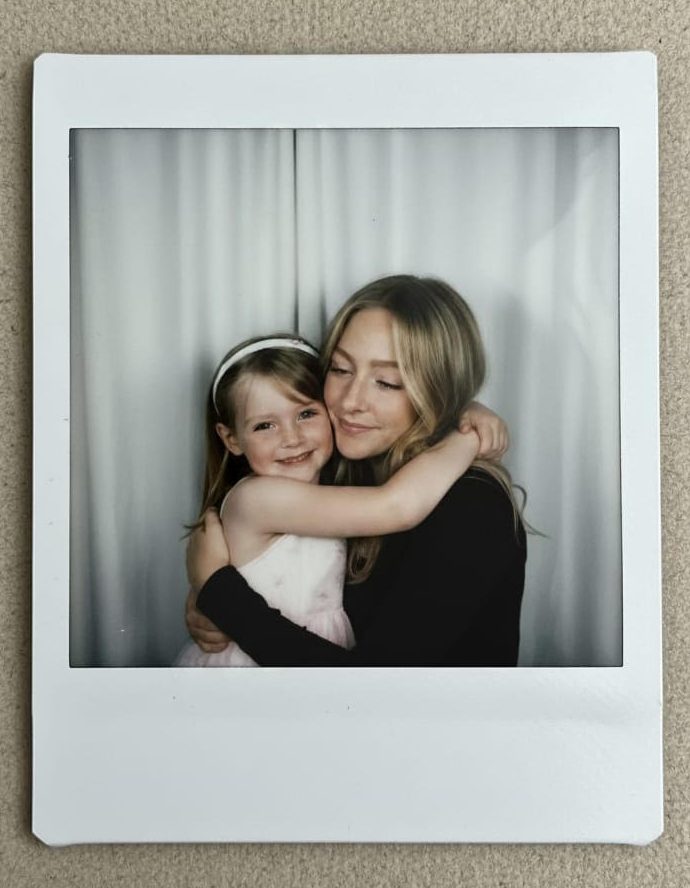
People who experience Depersonalisation Derealisation Disorder often feel a disconnect from their younger selves; as if they were never that little person whose memories they have or pictures they see. I know I still really struggle with that. When I look at pictures of myself as a baby or young child, I know it’s me, but I don’t feel connected to that version of myself. Almost like I’m looking at someone else’s life. I have some memories from when I was young, but they don’t feel like mine.
I’ve always felt like there have been different versions of me throughout my life. Many people experience this on a surface level as they move through different chapters of their lives; changing jobs, homes, friends, or relationships. But for me, and for others with dissociative disorders, those “versions” can feel like completely different people who haven’t lived through each other’s experiences. There’s no natural sense of continuity, just fragments of lives that I know belong to me but don’t feel like mine.
I’m learning to acknowledge this disconnect and try to see those versions of me as just chapters in my story. All the same person. All me, at different points in my life. One method that’s really helped with that process is having a visual aid. A few years ago, when this disconnect became especially intense, I created a timeline with dates and photos of myself over the years. It helps me to recognise the physical and situational transitions I’ve gone through and gently reminds me that, despite everything, I have always been me.
Most of my childhood memories are happy ones, thanks to my wonderful family and others who provided a safe and nurturing environment for me at home. But I’ve realised that, despite being a happy child, the trauma that kickstarted my DPDR did happen during my early years . Knowing what I do now, if I could go back and visit myself as that little girl, I would squeeze her so tightly and tell her she’s going to be okay.
Looking back with the understanding I have now, I can see that my brain did what it needed to do to protect me. That detachment, that sense of unreality, was a form of self-preservation. There’s nothing I could have done as a child to prevent it, and there’s no one to blame, especially not myself.
So now, when I think about my younger self, I try to do so with compassion instead of confusion. She wasn’t broken, she was surviving. And I’m finally learning to see her, to thank her, and to bring her home to me.
Why Looking Back Matters for Everyone
Even if you don’t experience DPDR, looking back at your younger self can be an important and grounding thing to do. It’s a reminder of what it means to be human; to grow, develop, change, and progress. It’s easy to forget how far we’ve come when we’re so focused on where we’re heading. But when you take a moment to reflect on who you used to be, you’re reminded that you’ve been learning and adapting all along. Looking back can help you see that your younger self was doing their best with what they knew at the time.
And even if you’re not where you want to be right now, you feel like you’re behind or you’ve failed in some way, remember that we’re all just figuring life out as we go! None of us have done this before. It can shift your perspective from self-criticism to self-understanding. Here are a few small techniques that might help you connect with your younger self, whether or not you experience DPDR:
✨ Look through old photos or videos – not just to reminisce, but to notice small details: your expressions, what made you happy, the people who were around you.
🪞 Write a letter to your younger self – tell them what you wish they’d known, and thank them for getting you to where you are now.
🕯️ Create a timeline or scrapbook – visually mapping your growth can help you see how the pieces of your story connect.
🌳 Do something your younger self loved – draw, dance, sing, play outside, wear something colourful, reconnect with that sense of joy or curiosity.
💬 Speak kindly to yourself – when you make mistakes, remind yourself that this is your first time living. You’re still learning, and that’s completely okay.
Looking back at your younger self isn’t just about nostalgia, it’s about recognition. You’ve been growing all along, even when it didn’t feel like it. And whether you’ve felt detached from those past versions or deeply connected to them, they’ve all led you here to this moment, this awareness, this version of you.
All my love, Kate x
 Mostly Kate